TIAA VS FIDELITY:
WHY TEACHERS ARE SWITCHING
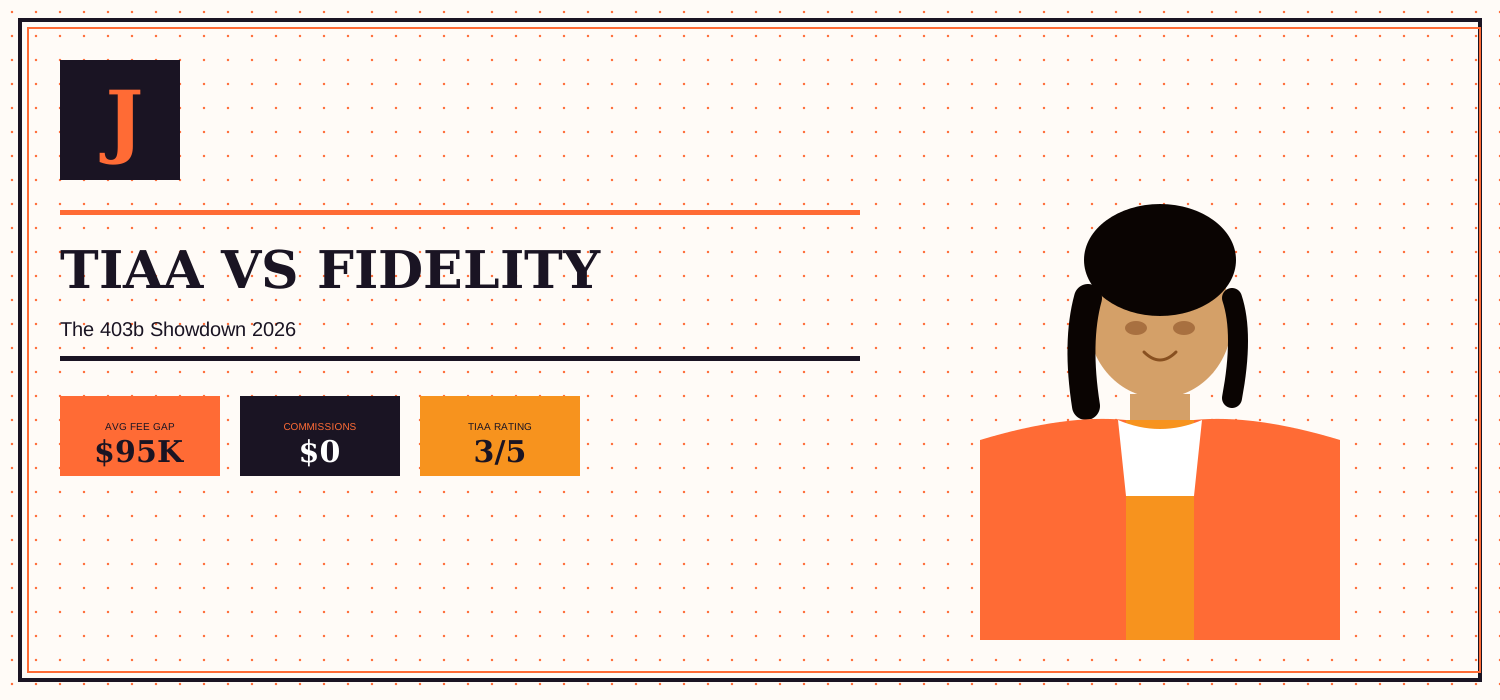
The rivalry between TIAA and Fidelity in the 403(b) market is reaching a boiling point. Historically, TIAA held the monopoly on higher education and nonprofit retirement accounts. But today, more institutions are offering Fidelity as an alternative. Why is the tide turning?
The Digital Experience Gap
Let's be honest: TIAA’s interface has often felt like it was designed in the late 90s. While they have made significant strides recently, Fidelity’s NetBenefits platform remains the gold standard for user experience. For a teacher trying to rebalance their portfolio on a lunch break, Fidelity makes it a two-click process. TIAA often requires navigating several layers of "advisory" prompts and complex fund naming conventions.
Fee Transparency
Fidelity is famous for its low-cost index funds, including several "Zero" fee funds. TIAA, while offering competitive institutional classes, often wraps its funds in administrative fees that can add 0.10% to 0.50% to your total cost. Over a 30-year career, that half-percent difference can mean six figures in lost retirement savings.
The Comparison Chart
- Interface Fidelity Wins
- Annuities TIAA Wins
- Fees Fidelity Wins
Brokerage Access
Fidelity allows most 403(b) participants to open a "Self-Directed Brokerage Account" (SDBA), giving them access to virtually any stock or ETF on the market. TIAA’s brokerage link is often more restricted and comes with additional hurdles. For the modern educator who wants to use low-cost ETFs like VTI or QQQ, Fidelity is the clear choice.
In conclusion, if you are an active investor who values low fees and great technology, Fidelity is usually the better platform. If you value a guaranteed income stream and don't mind a clunkier experience, TIAA's Traditional Annuity is a feature Fidelity simply can't match.