THE STATE OF 403(B) PLANS
IN 2026
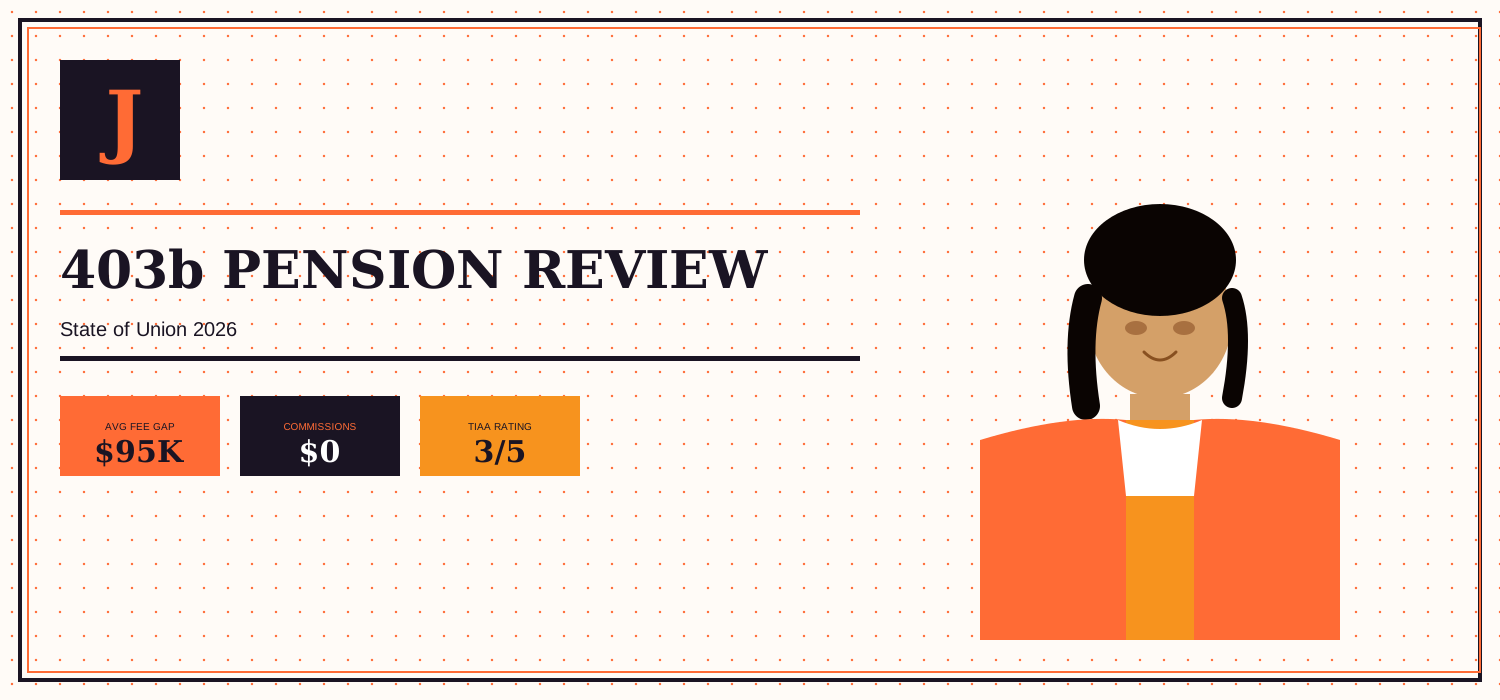
The 403(b) plan, often called the "nonprofit's 401(k)," has long been plagued by high fees and poor investment choices. However, as we look toward 2026, a new era of transparency is finally arriving. Regulatory pressure and a more informed workforce are forcing providers like TIAA, AXA, and Voya to change their ways.
The Decline of Variable Annuities
For decades, the default 403(b) option was a variable annuity—a complex insurance product disguised as an investment. These often came with "M&E" charges (mortality and expense) that served no purpose other than to line the pockets of the insurance company. In 2026, we are seeing a massive shift away from these products toward "custodial" 403(b)(7) accounts, which hold simple mutual funds and ETFs.
What Teachers Must Audit
If you are a K-12 teacher, you are likely in a "multi-vendor" environment where several predatory companies are allowed to walk into your breakroom and pitch you products. Our 2026 advice is simple: **Do not sign anything in the breakroom.** Check your plan's vendor list for a low-cost provider like Vanguard, Fidelity, or Aspire. If they aren't on the list, it's time to talk to your union representative.
SECURE Act 2.0 Impact
New federal laws are making it easier for 403(b) plans to include Collective Investment Trusts (CITs), which are often even cheaper than institutional mutual funds. By 2026, your TIAA or Fidelity plan should be offering these options. If you don't see them on your fund menu, ask your HR department why they are still using more expensive retail versions.
Retirement planning isn't just about how much you save; it's about how much you *keep*. In 2026, the tools to keep more of your money are available—you just have to know where to look.